
Ghana: witchcraft accusations put lives at risk
October 7, 2016
Many elderly women in northern Ghana have fled their homes to live in so-called witch camps. They have been accused of witchcraft and fear being killed. As Maxwell Suuk reports from Tamale, attacks are increasing.

Ghana Witchcraft (DW/M. Suuk)
“How can someone like me be sitting in her house and you come to tell me I have spiritual powers?” laments sixty-year-old Hajia Barichisu. She is one of the many women accused of practicing witchcraft in Poloyafong district in the city of Tamale in northern Ghana. She was targeted by those fighting against the practice. They wanted her to confess but her children refused to bring her out. Gunfire then erupted. “I don’t know anything. I only recite my Quran every day. It is only God that will judge us all,” Barichisu said.
For the past three months, assaults on people accused of witchcraft have increased. Many of them have been physically harmed. This has forced some to seek refugee at a local chief’s residence while others fled to the so-called witch camps where they felt safe.
Local resident Mohammed Abankwa told DW that accusations of witchcraft had become rampant. Beatings and threats of being lynched had also increased. “It is a sad thing,” he said.
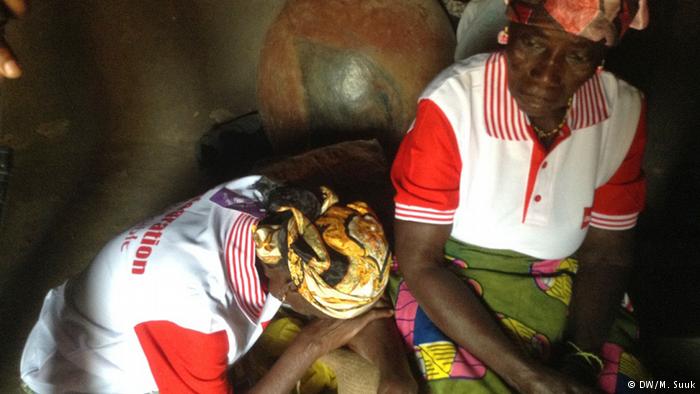
Many of the accused women have sought refuge in witch camps
Unconstitutional behaviour
In most African countries, it is common for people to take the law into their own hands, especially against those seen as deviating from social norms. Human rights organizations in Ghana have called for everybody to be treated with dignity, but their calls have gone largely unheard.

